IKEA launches a global research lab on rainforest restoration
About 25 years ago, IKEA, the Swedish University of Agricultural Sciences (SLU), and the Sabah Foundation began restoring a degraded rainforest in Borneo through the Sow a Seed initiative. Since then, 18,500 hectares have been restored and protected. Building on evidence that rainforests can be regenerated, today IKEA and its partners launch the next phase, the Living Rainforest Restoration Lab, shifting the focus from on-site restoration to research and knowledge sharing to support global biodiversity conservation and climate change mitigation.
More than 25 years ago, IKEA, the Swedish University of Agricultural Sciences (SLU), and the Sabah Foundation initiated the Sow a Seed initiative to restore a heavily degraded rainforest in Sabah, Borneo, Malaysia. Together, they have restored and protected about 18,500 hectares of heavily degraded rainforest—an area larger than the city of Paris—bringing it back to life, making it one of the world’s largest and longest-running tropical rainforest restoration projects.
The journey began in 1998 when IKEA founder Ingvar Kamprad got the idea to restore a tropical rainforest in Borneo. Part of the initiative was to collect donations from customers through ‘piggy banks’ in stores, and a promise to invest a sum in this cause.
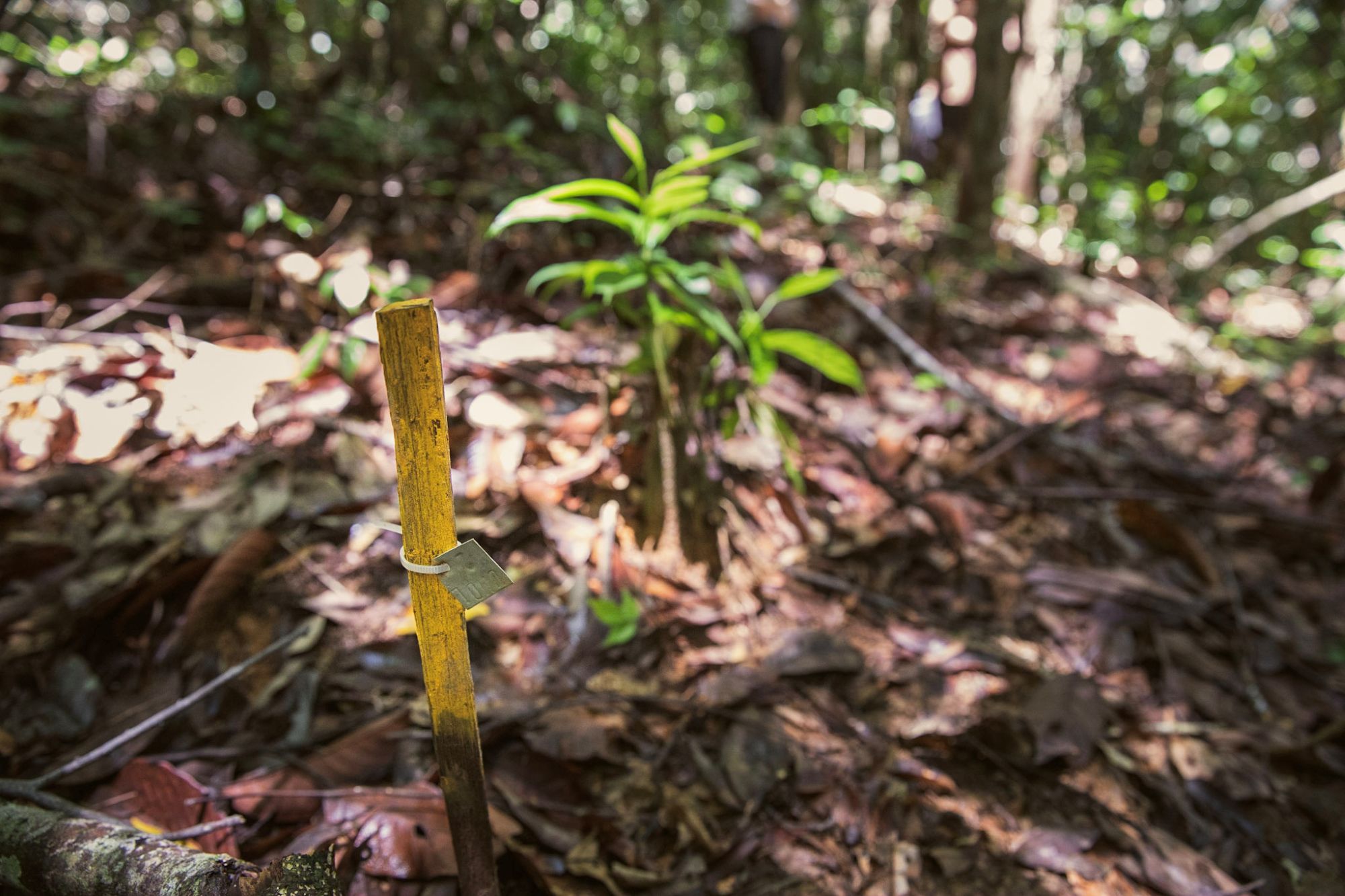
In Borneo, large areas of rainforest were historically affected by forest fires and past logging activities. Through assisted natural forest regeneration, the planting of 5 million seedlings from around 90 indigenous large tree species, and the nurturing of these trees to maturity, other species have returned, helping to recreate a valuable forest ecosystem that, in many ways, resembles the original. Importantly, wildlife has also returned to the area, including pygmy elephants, orangutans, clouded leopards, and hornbills, among other rare species.
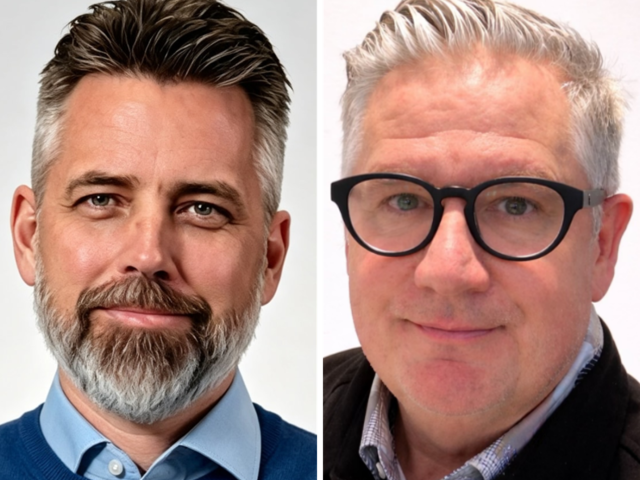
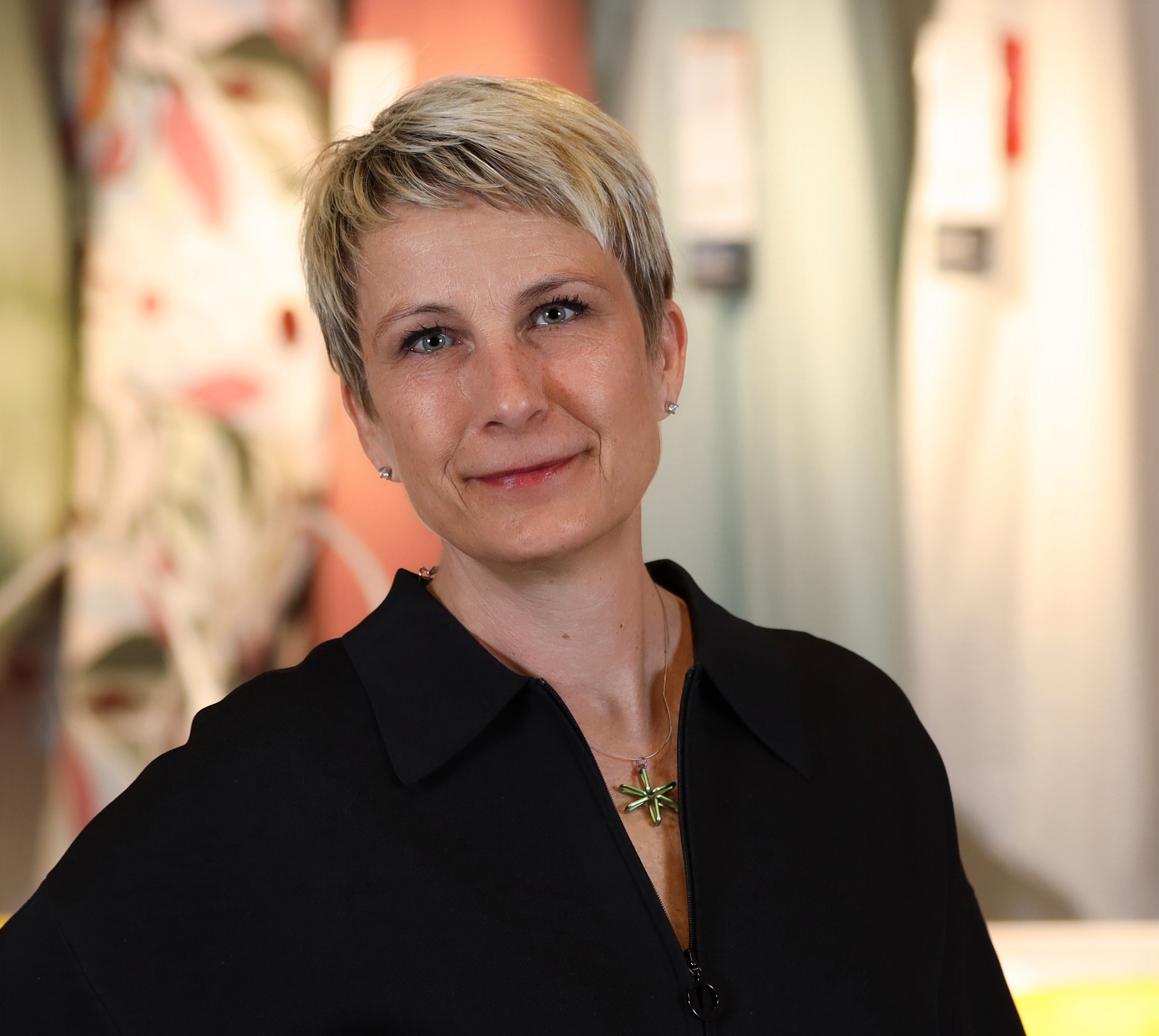
“We are proud to carry forward our founder Ingvar Kamprad’s long-standing commitment to restoring and protecting forests. As the urgency to halt biodiversity loss grows, Sow a Seed shows what is possible: degraded rainforests can recover. Over nearly 30 years, the project has not only restored forests and biodiversity, but also generated valuable knowledge. With the Living Rainforest Restoration Lab, we now want to share these insights more broadly, so they can help guide the restoration of other degraded rainforests around the world,” says Lena Julle, Chief Sustainability Officer, Inter IKEA Group.
From restoration to research and knowledge sharing
Building on evidence that rainforests can be regenerated and biodiversity restored, the next phase of the Sow a Seed initiative is now being launched: Living Rainforest Restoration Lab. This marks a shift from hands-on restoration to a stronger focus on collaborative research, learning, and knowledge sharing.
Drawing on decades of experience, the initiative aims to translate practical restoration insights into methods applicable across tropical forests worldwide. Through collaboration with academia, the Lab supports scientists and practitioners in developing and scaling effective restoration approaches.
IKEA will fund the research programme for ten years. It comprises 24 projects jointly led by the Swedish University of Agricultural Sciences (SLU) and Malaysian universities and is one of SLU’s largest ongoing research initiatives.
As a real-world research platform, the Lab generates evidence on how degraded tropical rainforests recover over time and which methods deliver the strongest long-term results. By combining long-term field data, restored landscapes, and scientific expertise, it provides insights into biodiversity recovery, ecosystem functions, and climate benefits, including carbon storage, water regulation, and soil health.
“We aim to empower policymakers and the growing number of restoration practitioners with better knowledge, so that more rainforests can be restored more efficiently. A substantial part of the program is dedicated to spreading the knowledge of best practices. The 24 research projects in this program will therefore make a significant contribution to our global targets to conserve biodiversity and mitigate climate change on a substantially larger scale than the initial project”, says Ulrik Ilstedt, program leader at SLU.
The Sow a Seed initiative is not connected to the IKEA value chain.
IKEA offers well-designed, functional, and affordable, high-quality home furnishing products, produced with care for people and the environment. The IKEA retail business is operated through a franchise system with franchisees that are authorised to market and sell the IKEA product range within specified geographical territories. There are several companies with different owners, working under the IKEA brand, all sharing the same vision: to create a better everyday life for the many people. IKEA was founded in Sweden in 1943.
About Inter IKEA Group
Inter IKEA Group includes Inter IKEA Systems B.V., IKEA of Sweden AB, IKEA Supply AG, IKEA Industry AB, and related businesses. Inter IKEA Holding B.V. is the holding company for the Inter IKEA Group. Inter IKEA Systems B.V. is the owner of the IKEA Concept and worldwide IKEA franchisor, who also assigns different IKEA companies to develop the product range, supply products, and deliver communication solutions. Today, 13 different groups of companies have the right to own and operate IKEA sales channels under franchise agreements with Inter IKEA Systems B.V.
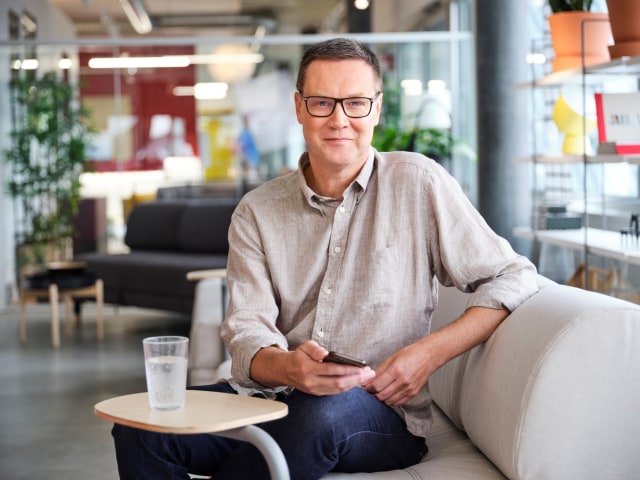
“With the Living Rainforest Restoration Lab, we now want to share our insights more broadly, so they can help guide the restoration of other degraded rainforests around the world,” says Lena Julle, Chief Sustainability Officer, Inter IKEA Group.
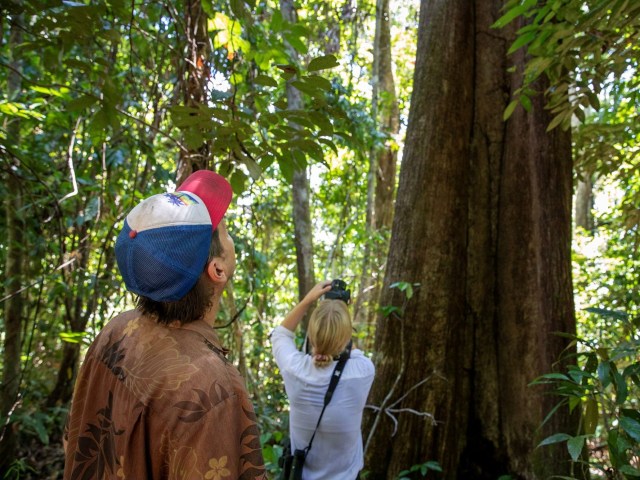
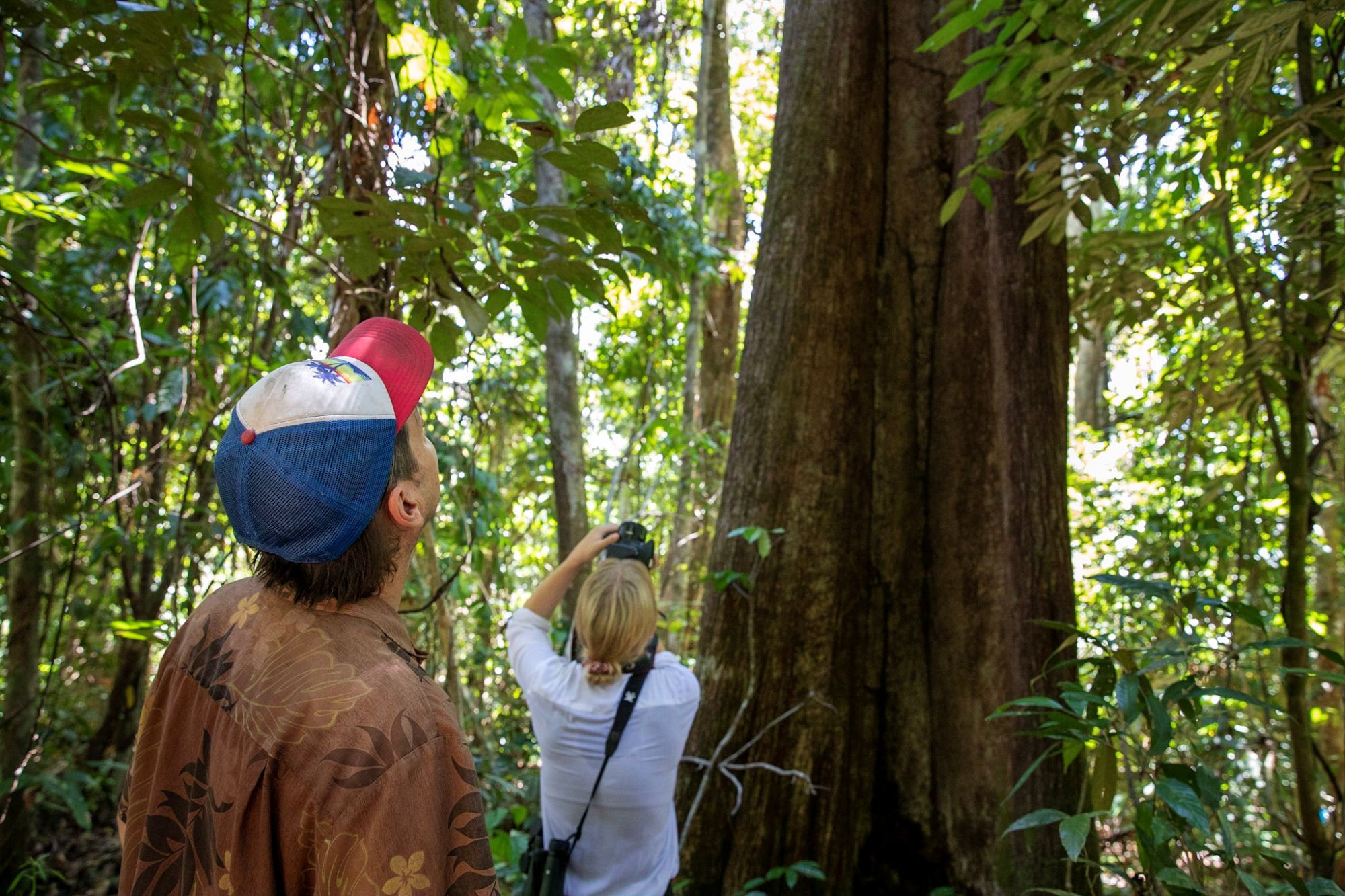
Picture of Forest: Inter IKEA Group launches the Living Rainforest Restoration Lab to support global biodiversity conservation and climate change mitigation.
Picture of Forest: Inter IKEA Group launches the Living Rainforest Restoration Lab to support global biodiversity conservation and climate change mitigation.
Facts, data points, commitments and statements in this article are based on information available at the time of publication and may have changed since that date.